How to Avoid Luggage Baggage Damage for Golf Clubs: Pro Guide
Traveling with precision sporting equipment involves navigating complex baggage handling systems, mechanized sorting belts, and variable cargo hold environments. When players check specialized gear onto commercial carriers or entrust items to freight couriers, impact forces frequently threaten structural integrity. Protecting delicate graphite shafts and titanium clubheads requires meticulous packing preparation and rigorous transit engineering.
The global aviation ecosystem processes millions of checked items daily under strict time constraints. High-speed conveyor networks and heavy cargo stacking procedures create high-stress physics conditions inside luggage compartments. Understanding these physical forces allows travelers to adopt defensive preparation techniques.
This reference guide examines the structural mechanics of transit damage, evaluation frameworks, and strategic protective protocols. By analyzing hardware design tolerances, protective casing materials, and carrier liabilities, participants gain deep insight into equipment preservation. Mastery of these operational principles ensures long-term hardware safety across elite journeys.
Understanding “how to avoid luggage baggage damage for golf clubs”
To master how to avoid luggage baggage damage for golf clubs, one must examine the intersection of aviation logistics, impact physics, and protective equipment design. Many observers treat transit protection as a simple matter of buying a heavy-duty nylon travel bag and tossing gear inside. This naive viewpoint ignores vertical drop impacts, conveyor belt jams, and the kinetic transfer forces that snap club shafts inside poorly braced cases.
A common misunderstanding involves assuming that soft-sided travel cases offer adequate protection if padded with towels or extra garments. While soft fabric bags absorb minor surface abrasions, they lack the rigid structural skeleton required to deflect compressive weight when heavy cargo sits on top. True comprehension of how to avoid luggage baggage damage for golf clubs requires analyzing how vertical impact forces transmit directly down the axis of unsecured club shafts.
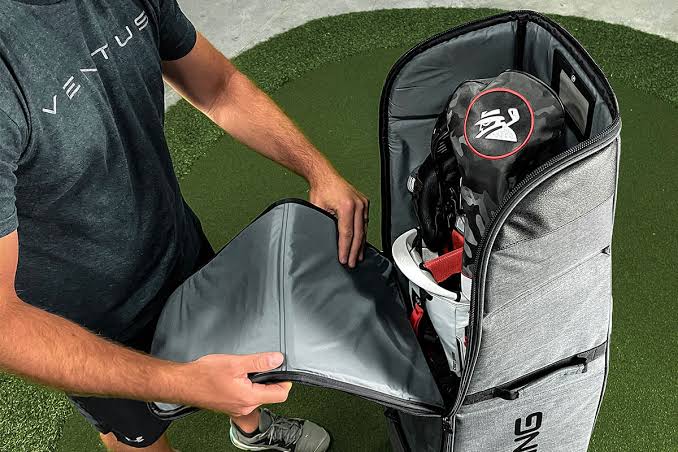
Oversimplification risks also manifest in ignoring headcover removal and clubhead stabilization. Leaving long woods fully assembled inside a loose travel bag exposes graphite shafts to direct leverage fractures during sudden drops. Mitigating these structural risks demands rigid support struts, individual head removal, and secure internal strapping systems.
Deep Contextual Background
The evolution of baggage handling logistics mirrors the growth of commercial aviation and high-speed airport sorting infrastructure. Historically, baggage processing relied on manual hand-loading into canvas carts and direct placement into aircraft cargo holds. These legacy systems resulted in lower mechanical impact velocities but featured higher rates of manual mishandling.
The late twentieth century introduced automated baggage sorting hubs featuring high-speed conveyor belts, gravity chutes, and automated tilt-tray sorters. While these modern systems increased sorting efficiency dramatically, they also introduced severe drop shocks and mechanical pinch points for oversized sporting luggage.
Today, advanced terminal logistics and specialized oversized baggage handling lanes attempt to mitigate damage risks. Despite these technological improvements, terminal congestion and tight turnaround windows continue to test baggage durability. Understanding these systemic realities allows travelers to construct robust defensive packing strategies.
Conceptual Frameworks and Mental Models
The Axial Load Distribution Model
This framework evaluates how vertical compressive forces distribute across structural travel spines and internal club shafts.
-
Limits: Extreme drop impacts can exceed the structural yield strength of even premium internal support rods.
The Kinetic Energy Dissipation Matrix
This mental model analyzes how multi-layer padding materials absorb and scatter shock waves before they reach delicate equipment surfaces.
-
Limits: Over-padding without a rigid exterior shell fails to prevent crushing forces from heavy cargo placement.
The Vibration Fatigue Threshold
This model measures how continuous transit vibration and handling jolts loosen adjustable hosels and graphite bonding over time.
-
Limits: Micro-vfractions inside graphite fibers remain invisible to standard visual inspection until catastrophic failure occurs.
The Terminal Transfer Risk Hierarchy
This approach tracks baggage exposure across multiple connection points, tarmac transfers, and automated sorting hubs.
-
Limits: Direct non-stop flights significantly reduce overall handling frequency, but regional route variations still introduce risk.
Key Categories and Structural Variations of Protective Gear
| Protective Category | Primary Construction Material | Structural Rigidity Profile | Typical Weight & Cost | Primary Vulnerability |
| Hard-Shell Travel Cases | Molded ABS polymer or polyethylene | Maximum impact deflection | Heavy ($250 to $600) | Hinge stress and bulkiness |
| Semi-Rigid Hybrid Bags | Reinforced ballistic nylon with foam backing | Moderate structural flexibility | Medium ($150 to $350) | Zipper failure under extreme tension |
| Soft-Sided Carry Bags | Light synthetic fabric with minimal padding | Low structural rigidity | Light ($75 to $200) | Zero protection against crushing loads |
| Internal Support Stiffeners | Aluminum or carbon-fiber telescopic rods | High vertical axial support | Very light ($30 to $60) | Misplacement or improper height adjustment |
| Individual Headcovers | Heavy neoprene or synthetic leather | Surface scratch prevention | Variable ($20 to $100) | Bulk buildup inside tight bag compartments |
| Custom Foam Inserts | High-density polyurethane foam blocks | Custom impact absorption | High ($150 to $400) | Inflexibility when changing club models |
Realistic Decision Logic for Selection
Choosing the correct protective apparatus depends on transport frequency and aircraft cargo conditions. When exploring how to avoid luggage baggage damage for golf clubs, frequent flyers benefit from investing in rigid hard-shell cases that withstand severe drop impacts. Conversely, occasional travelers using private vehicle transport or direct carrier shipping can utilize semi-rigid hybrid bags equipped with internal stiffening rods. Aligning the casing choice with transit hazards ensures optimal equipment preservation.
Subheading Distribution and Operational Management
Managing Internal Shaft Separation
Internal shaft protection requires more than simply placing clubs inside a travel bag together. When long drivers and fairway woods remain fully assembled without head removal, the leverage forces during a vertical drop snap graphite shafts near the hosel instantly. Removing wood heads and securing them in accessory pockets eliminates this vulnerability entirely.
Verifying Stiffener Height Adjustment
Telescopic support stiffeners must be adjusted precisely to extend several inches taller than the longest wood in the bag. If the support rod is set too low, the top of the travel case absorbs direct impacts and transfers crushing energy straight into the clubheads. Ensuring the protective spine takes the weight protects valuable hardware from destruction.
Detailed Real-World Scenarios and Operational Stress Tests
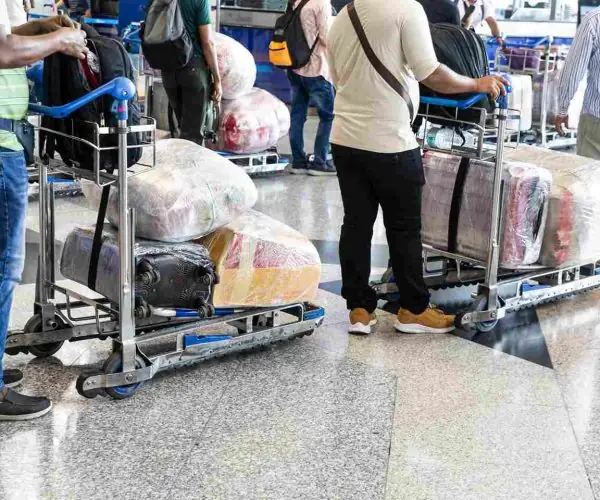
Scenario A: The High-Speed Conveyor Jam
-
Constraints: An oversized travel case wedges horizontally in an automated airport sorting chute, absorbing sustained mechanical pressure.
-
Decision Points: Utilizing a hard-shell case to deflect crushing forces versus relying on a flexible soft bag.
-
Failure Modes: Soft fabric walls buckle under the mechanical pressure, bending internal steel shafts beyond repair.
-
Second-Order Effects: The traveler arrives at the destination with destroyed equipment and faces immediate schedule disruption.
Scenario B: The Tarmac Drop Impact
-
Constraints: Baggage handlers drop an oversized sports case vertically onto concrete pavement from a high cargo loading bay.
-
Decision Points: Deploying a rigid internal stiffener rod versus packing clubs without a vertical support spine.
-
Failure Modes: The impact force shatters graphite driver shafts due to a complete lack of axial load distribution.
-
Second-Order Effects: The traveler incurs substantial unexpected replacement costs and loses valuable playing days.
Scenario C: The Multi-Connection Baggage Misrouting
-
Constraints: Equipment travels across three connecting international flights with tight transfer windows and hurried tarmac handling.
-
Decision Points: Checking gear through multiple airlines versus shipping equipment directly via a secure courier service.
-
Failure Modes: Baggage is delayed or mishandled during a rapid terminal transfer, stranding the player without gear.
-
Second-Order Effects: The player must rent temporary equipment while filing complex airline baggage claims.
Scenario D: The Unsecured Interior Clatter
-
Constraints: Loose iron heads strike each other continuously during turbulent cargo transit and ground transport.
-
Decision Points: Utilizing individual iron covers or neoprene wraps versus allowing bare metal heads to collide.
-
Failure Modes: Constant metal-on-metal impact chips forged club faces and damages custom paint finishes.
-
Second-Order Effects: Equipment resale value drops significantly, and cosmetic pitting degrades visual appeal.
Planning, Cost, and Resource Dynamics
Executing a comprehensive equipment protection strategy requires balancing initial capital outlays against potential repair liabilities. Direct costs include purchasing hard-shell cases, internal support rods, and specialized luggage insurance. Indirect costs encompass baggage fees, potential equipment replacement costs, and lost leisure time.
Resource variability stems from airline baggage pricing structures, insurance deductible thresholds, and fluctuating manufacturing costs for high-end protective gear. Planners must maintain adequate financial reserves to absorb unexpected damage recovery expenses.
| Protection Element | Baseline Budget Range | Peak Quality Budget Range | Primary Protective Benefit |
| Hard-Shell Cases | $250 (Standard molded polymer) | $600 (Heavy-duty travel vaults) | Maximum crush resistance and drop deflection |
| Internal Stiffener Rods | $30 (Basic adjustable aluminum) | $80 (Carbon-fiber locking spines) | Prevents vertical top-down crushing |
| Individual Head Covers | $25 (Basic neoprene wraps) | $100 (Custom leather protection) | Eliminates clubhead collision damage |
| Luggage Insurance Riders | $50 (Annual travel policy add-on) | $200 (Comprehensive high-value coverage) | Reimburses full replacement value upon loss |
Tools, Operational Strategies, and Support Systems
Telescopic Support Spines
Heavy-duty metal or carbon-fiber rods absorb vertical drop impacts and prevent cargo weight from crushing clubheads.
-
Limits: Must be adjusted to the correct height and locked securely before every flight.
Neoprene Iron Head Wraps
Individual covers prevent forged iron heads from striking each other and chipping during turbulent transit.
-
Limits: Adds minor bulk and requires removal prior to checking or sorting gear.
TSA-Approved Luggage Locks
Secure locking mechanisms protect external zippers from accidental opening while allowing security inspection without damage.
-
Limits: Cheap locks can jam or fail under rough baggage sorting conditions.
Baggage Tracker Integration
Bluetooth tracking beacons placed inside travel cases allow real-time smartphone monitoring of equipment location across airport terminals.
-
Limits: Relies on nearby smartphone networks to transmit location data accurately.
Fragile Baggage Labeling
Requesting oversized fragile tags at check-in alerts baggage handlers to exercise increased care during sorting.
-
Limits: Airport sorting automation ignores paper tags, treating all oversized items through identical mechanical pathways.
Pre-Transit Inspection Checklists
Structured documentation protocols guide travelers through securing headcovers, locking zippers, and positioning support rods.
-
Limits: Requires disciplined execution by the traveler prior to leaving home or resort.
Risk Landscape, Failure Modes, and Compounding Vulnerabilities
The operational risk landscape surrounding equipment transport is defined by mechanical unpredictability. A single dropped bag during tarmac transfer can destroy high-value hardware if internal bracing is absent.
Financial risks materialize when travelers rely on standard airline liability limits, which rarely cover the full replacement cost of custom-fitted golf equipment. Without supplemental insurance riders, the traveler absorbs the entire financial loss.
Communication breakdowns compound administrative errors. If an airline agent mislabels an oversized sporting bag, the equipment can be routed to an incorrect international destination hub.
Governance, Maintenance, and Long-Term Adaptation
Preserving protective gear integrity across recurring annual travel requires institutional memory and structured post-trip reviews. Travelers should inspect travel cases, zippers, and internal support rods for structural fatigue after every journey.
Review cycles should occur immediately following trip completion. Analyzing zipper wear, shell cracking, and baggage handling issues helps eliminate equipment vulnerabilities on subsequent excursions.
Establishing clear packing protocols protects valuable hardware. Documenting preferred packing arrangements and maintaining protective gear in top condition prevents unexpected damage on future trips.
Measurement, Tracking, and Evaluation Metrics
Evaluating equipment protection success relies on tracking both leading and lagging performance indicators.
Leading indicators include correct adjustment of support spines, secure fastening of internal straps, and verification of insurance coverage. If leading indicators flag missing protective gear, corrective packing adjustments must be deployed immediately.
Lagging indicators encompass incidence rates of equipment damage, airline claim approval speeds, and qualitative satisfaction scores. Quantitative damage data combines with qualitative feedback to form a complete evaluation profile.
Documentation Examples
-
The Pre-Flight Packing Checklist: A structured verification protocol recording support rod placement, head removal, and zipper security.
-
The Equipment Condition Ledger: A visual inspection log noting the structural state of club shafts and heads before departure.
-
The Baggage Claim Documentation File: A central record containing purchase receipts, insurance policies, and carrier incident reports.
Common Misconceptions and Industry Oversimplifications
-
Myth: Packing soft towels around clubheads provides the same level of protection as a rigid internal stiffener rod.
-
Correction: Towels absorb surface moisture and minor vibrations but offer zero resistance against heavy vertical crushing forces.
-
-
Myth: Hard-shell cases guarantee that equipment will never suffer damage under any circumstances.
-
Correction: Severe high-speed drops can crack exterior polymer shells if internal bracing is incorrectly positioned.
-
-
Myth: Leaving long driver heads fully assembled inside a travel case carries zero structural risk.
-
Correction: Fully extended shafts act like levers during drop impacts, frequently snapping clean off at the hosel.
-
-
Myth: Standard airline baggage compensation covers the full retail value of high-end customized equipment automatically.
-
Correction: Airlines enforce strict depreciation limits and maximum payout caps unless supplemental insurance is purchased.
-
-
Myth: TSA agents will always re-pack a travel case carefully after conducting a physical security inspection.
-
Correction: Security screeners prioritize rapid inspection over careful re-packing, making internal organization vital before closing zippers.
-
-
Myth: Bluetooth tracking beacons prevent luggage from getting lost or mishandled by airlines.
-
Correction: Trackers only report location data; they do not prevent physical misrouting or carrier mishandling.
-
-
Myth: Soft-sided travel bags are superior because they fit easily into compact rental car trunks.
-
Correction: While flexible bags offer superior trunk compatibility, they sacrifice the structural armor required for airline cargo holds.
-
Contextual Considerations and Environmental Stewardship
Balancing equipment protection with regional environmental stewardship requires mindful behavior from traveling sports enthusiasts. Manufacturing durable polymer travel cases and frequent air transport contribute to corporate carbon footprints. Responsible travelers maintain protective gear carefully to extend product life cycles and reduce unnecessary manufacturing demand.
Navigating regional aviation regulations ensures smooth interactions with security screening staff and airline cargo agents. Understanding customs guidelines when transporting specialized sporting hardware across international borders prevents costly border delays.
Community engagement also plays a subtle role. Supporting local luggage repair businesses sustains regional retail infrastructure and fosters positive economic relationships within destination communities.
Conclusion
Executing effective equipment protection strategies during destination travel demands rigorous preparation, mechanical awareness, and logistical foresight. By replacing casual packing habits with structured protective frameworks, travelers eliminate the structural failures that frequently compromise expensive hardware. Whether analyzing how to avoid luggage baggage damage for golf clubs through rigid hard-shell cases, support spines, or careful disassembly, adherence to professional protection principles ensures a safe journey from departure to return.