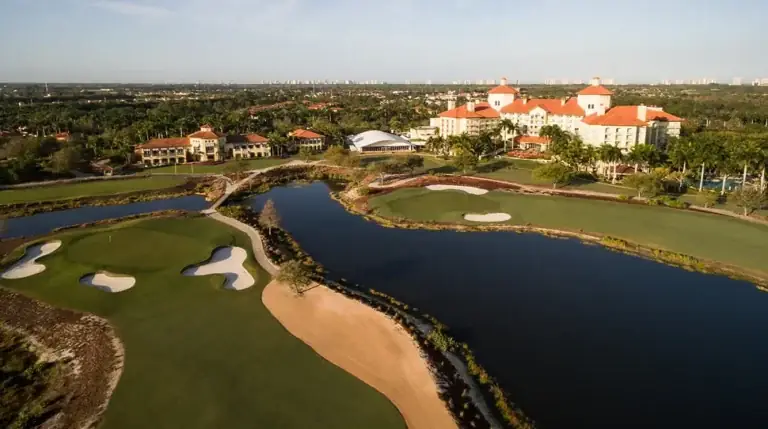
Top Golf Getaways in the US: Expert Travel Blueprint
The architecture of recreational travel rarely intersects with geographic ambition as sharply as it does in the planning of premier sporting journeys. Across the North American continent, distinct ecologies, historical lineages, and architectural design philosophies create an enormous matrix of possibilities for travelers seeking exceptional play. Choosing where to invest time and capital requires navigating a fragmented landscape where public resort layouts, exclusive private enclaves, and rugged coastal links compete for attention.
Evaluating these destinations demands looking beyond glossy marketing brochures. Surface-level rankings often obscure the logistical friction, seasonal weather windows, and steep financial commitments inherent in championship-tier play. A comprehensive examination reveals that the value of any trip depends on the alignment between course architecture, local climate predictability, accommodation infrastructure, and non-golf amenities available to travel groups.
This analysis deconstructs the structural anatomy of high-end travel across North America. By establishing rigorous conceptual frameworks, examining distinct regional categories, and mapping out practical resource dynamics, this guide provides a definitive reference for designing exceptional itineraries.
Understanding “top golf getaways in the us”
The phrase top golf getaways in the us is frequently deployed as a shorthand for luxury hotel stays attached to fairways, yet this usage flattens a diverse ecosystem. True travel optimization requires understanding that the concept is not a universal constant. A coastal links layout exposed to marine gales offers an experience structurally distinct from an inland parkland course carved through ancient timber or a desert layout framed by arid canyons.
Common Misunderstandings and Oversimplification Risks
Travelers often assume that high green fees automatically correlate with superior architectural quality or memorable playing conditions. Premium pricing frequently reflects brand equity, lodging luxury, and marketing expenditure rather than pure design integrity. Another frequent error involves treating geographical clusters as homogenous entities. Two properties separated by ten miles can exhibit completely different turfgrass health, wind exposure, and maintenance philosophies.
Navigating the Marketing Noise
Commercial aggregators publish static lists designed to maximize booking commissions rather than match traveler profiles to specific layouts. Realizing a successful journey demands cutting through promotional hyperbole to examine underlying design provenance, soil percolation rates, and local microclimates. Recognizing these variables prevents costly miscalculations and aligns expectations with reality.
Deep Contextual Background
The evolution of domestic sports travel mirrors the broader industrialization of leisure and the maturation of course architecture. In the late nineteenth century, layouts were modest loops of holes tacked onto existing country estates. As prosperity expanded following the Second World War, resort developers recognized the synergy between hospitality assets and championship-caliber golf courses.
Architectural Eras and Resort Development
The golden age of design yielded strategic masterpieces emphasizing shot-making artistry over sheer distance. Subsequent decades introduced the stadium-style venue designed to accommodate massive spectator galleries, shifting the focus toward penal architecture and visual intimidation. Modern resort development has largely pivoted back toward naturalism, prioritizing walkability, width, and strategic variety over forced carries.
Infrastructure and Accessibility Shifts
Air travel expansion transformed remote regions into accessible corridors for traveling groups. Airfields near coastal enclaves and desert valleys facilitated the rise of dedicated properties. Concurrently, advancements in turf management science enabled pristine playing surfaces in challenging climates, expanding the viable geographic map for premier play.
Conceptual Frameworks and Mental Models
Analyzing potential destinations benefits from applying specific mental models that balance architectural merit with logistical feasibility.
The Architectural-Logistical Matrix
This framework plots courses along two axes: design pedigree and travel friction. High-pedigree courses located in remote areas require complex transit planning, whereas accessible urban resort layouts often sacrifice architectural nuance for convenience.
The Weather Risk Factor
Evaluating seasonal stability prevents ruined itineraries. Precipitation patterns, wind vectors, and diurnal temperature shifts dictate the optimal window for play. Ignoring these patterns leads to unplayable conditions or ruined turf health.
The Group Dynamic Index
Traveler groups vary in handicap spread, budget tolerance, and non-golf interests. Matching destination offerings to group composition ensures high satisfaction across all participants, preventing friction during multi-day excursions.
Key Categories or Variations
Diverse geographic and design archetypes dominate the domestic landscape. Each category presents distinct operational profiles and trade-offs.
Coastal Links and Oceanfront Layouts
Oceanfront configurations offer dramatic aesthetics and challenging wind dynamics. However, these venues suffer from high demand, strict cancellation policies, and vulnerable turf conditions subject to saltwater intrusion and coastal erosion.
Desert Target Golf
Arid environments deliver firm, fast conditions and striking visual contrast between emerald fairways and natural desert washes. The limitation here involves severe summer heat restrictions and penal native areas that punish errant shots severely.
Parkland Classics
Traditional parkland settings feature mature tree lines, undulating terrain, and subtle green complexes. The trade-off involves seasonal pollen issues, leaf drop management, and occasional drainage challenges during heavy precipitation events.
Mountain and Elevation Designs
Mountain valleys and ridgelines provide dramatic altitude changes that alter ball flight distances significantly. These regions feature compressed operating seasons due to winter snowpacks and unpredictable alpine weather systems.
Resort Enclaves vs. Destination Hubs
Integrated resort enclaves offer seamless transitions between lodging and multiple courses. Conversely, destination hubs require daily commuting between independent courses and off-site hotels, introducing transit variables.
Comparison of Golf Vacation Categories
| Category | Primary Appeal | Main Vulnerability | Typical Cost Profile |
| Coastal Links | Dramatic views, wind strategy | High cost, weather exposure | Premium |
| Desert Target | Fast fairways, visual contrast | Extreme summer heat | Moderate to High |
| Parkland Classics | Traditional architecture, shade | Drainage issues, tree interference | Moderate |
| Mountain Designs | Elevation changes, scenery | Short operating seasons | High |
| Resort Enclaves | Convenience, amenities | Isolation from local culture | Premium |
Realistic Decision Logic
Selecting among these categories requires auditing group priorities. If members prioritize uninterrupted play and on-site lodging, integrated resort enclaves minimize friction. If the group values architectural variety and local culinary exploration, urban-adjacent destination hubs provide superior flexibility.
Detailed Real-World Scenarios

Examining concrete scenarios illuminates how theoretical models apply under operational constraints.
Scenario A: The Corporate Executive Retreat
A financial services firm seeks a four-day retreat for twelve executives with varying skill levels. The primary constraint is minimizing transit friction while ensuring high-end dining options.
-
Decision Point: Choosing an integrated resort with 36 holes over disparate daily-fee courses.
-
Failure Mode: Selecting a notoriously difficult championship layout that frustrates high-handicap participants.
-
Second-Order Effect: Streamlined logistics increase networking time, but plateau the group’s overall architectural satisfaction.
Scenario B: The Dedicated Architectural Enthusiast Grouping
Four low-handicap players plan a trip focused exclusively on golden-age design pedigree, operating on a strict budget.
-
Decision Point: Prioritizing walking-only classic layouts over luxury lodging amenities.
-
Failure Mode: Underestimating the physical toll of walking 36 holes daily on demanding terrain.
-
Second-Order Effect: Maximizes design appreciation while testing physical endurance toward the end of the itinerary.
Scenario C: The Multi-Generational Family Outing
A family group spanning three generations requires a balance of accessible golf, spa facilities, and non-sporting activities.
-
Decision Point: Selecting a comprehensive resort with diverse leisure infrastructure.
-
Failure Mode: Booking a facility oriented entirely toward serious play without adequate secondary amenities.
-
Second-Order Effect: Enhances group harmony at the expense of pure golfing purity.
Scenario D: The Shoulder-Season Budget Optimizer
A group of friends targets championship-tier venues during transitional weather windows to secure lower rates.
-
Decision Point: Accepting aeration schedules and variable weather for substantial financial savings.
-
Failure Mode: Encountering unplayable rain or temporary greens during critical rounds.
-
Second-Order Effect: Substantially reduces financial burden while introducing environmental volatility.
Planning, Cost, and Resource Dynamics
Executing a complex trip requires careful accounting of direct outlays and hidden expenses that accumulate over the duration of the journey.
Direct and Indirect Financial Outlays
Green fees represent only the baseline expenditure. Caddie fees, gratuities, equipment rentals, private ground transportation, and resort fees inflate total costs significantly.
Opportunity Cost and Time Allocation
The allocation of personal time involves weighing travel transit hours against actual playing hours. Destinations requiring multiple connecting flights extract a heavy toll in fatigue before the first tee time.
Financial Range Matrix
| Expense Category | Moderate Budget Range | Premium Budget Range |
| Green Fees (Per Round) | $150 – $300 | $400 – $900+ |
| Lodging (Per Night) | $200 – $400 | $600 – $1,500+ |
| Ground Transit / Rental | $50 – $150 / day | $300+ / day (Private Van) |
| Caddie Fees & Gratuity | $100 – $150 / round | $250 – $400+ / round |
Tools, Strategies, and Support Systems
Managing complex itineraries effectively requires utilizing specialized tools and operational strategies to maintain control over variables.
Tee Time Reservation Aggregators
Third-party booking engines secure access to high-demand courses, though direct resort booking remains the most reliable method for guaranteed advance slots.
Logistics Management Software
Collaborative itinerary platforms coordinate flight details, rental vehicles, and dining reservations across multi-person travel parties.
Turf Maintenance Tracking Resources
Consulting agronomy forums and course maintenance schedules prevents booking during aggressive aeration or overseeding windows.
Caddie Program Coordination
Direct communication with caddie masters ensures appropriate pairings for groups requiring tactical course guidance.
Travel Insurance Frameworks
Comprehensive policies mitigate financial exposure against medical emergencies, flight cancellations, and sudden weather disruptions.
Local Concierge Utilization
Leveraging on-site concierge services secures difficult dining bookings and local transport adjustments during the trip.
Risk Landscape and Failure Modes
Every travel venture faces systemic vulnerabilities that can undermine the experience if not proactively monitored.
Compounding Weather Disruptions
A single rainstorm can trigger a cascade of delayed tee times, compressing subsequent schedules and creating immense operational stress.
Maintenance Discrepancies
Unannounced green punchings or fairway renovations drastically alter playing quality, turning a premium experience into a frustrating exercise.
Group Dynamic Fractures
Disagreements over pacing, spending levels, and daily schedules can erode the social cohesion of traveling parties.
Logistical Bottlenecks
Car rental shortages, airline baggage delays, and highway construction can disrupt tightly timed itineraries.
Governance, Maintenance, and Long-Term Adaptation
Maintaining an effective planning framework requires continuous review and post-trip analysis to refine future travel decisions.
Post-Trip Auditing
Evaluating actual expenses against projected budgets highlights hidden cost categories for future optimization.
Feedback Integration
Collecting structured input from all travel participants identifies architectural preferences and logistical pain points.
Destination Rotation Strategy
Varying geographic regions across consecutive years prevents destination fatigue and broadens exposure to diverse architectural styles.
Review Checklist for Future Planning
-
Audit seasonal weather records for the target window.
-
Verify upcoming agronomic maintenance schedules directly with the facility.
-
Confirm cancellation and refund policies for all lodging and golf bookings.
-
Assess ground transportation capacity against group bag counts.
Measurement, Tracking, and Evaluation
Assessing the success of an itinerary involves balancing quantitative metrics against qualitative impressions.
Quantitative Indicators
-
Cost per hole played.
-
Percentage of scheduled tee times executed without delay.
-
Transit time efficiency relative to total trip duration.
Qualitative Signals
-
Participant satisfaction scores regarding course variety.
-
Quality of dining and lodging recovery environments.
-
Overall social cohesion and group energy levels.
Documentation Frameworks
Maintaining a personal ledger recording course conditions, service quality, and logistical friction points creates a valuable proprietary database for future travel design.
Common Misconceptions and Oversimplifications
-
Myth: High green fees guarantee pristine turf conditions. Correction: Maintenance standards fluctuate based on local climate stress and labor availability regardless of pricing tier.
-
Myth: Walking is mandatory at all traditional courses. Correction: Many historic venues permit carts during specific afternoon windows or for medical necessities.
-
Myth: Desert golf is easy to walk. Correction: Cart paths and distances between greens and tees in desert layouts often mandate motorized transport.
-
Myth: Shoulder seasons always ruin trips. Correction: Transitional months frequently offer ideal temperatures and empty courses for travelers willing to accept variable turf recovery.
-
Myth: Resort courses lack architectural soul. Correction: Many resort layouts were penned by master architects who balanced playability with strategic depth.
-
Myth: Caddies are only useful for carrying bags. Correction: Experienced caddies provide vital green-reading reads and strategic course management advice.
Ethical, Practical, and Contextual Considerations
The environmental footprint of maintaining manicured turfgrass in arid or fragile ecosystems presents ongoing sustainability challenges. Modern course management increasingly emphasizes water conservation, native grass integration, and chemical reduction. Travelers cognizant of these dynamics often favor facilities employing advanced conservation science, aligning recreational enjoyment with ecological stewardship.
Conclusion
Designing a successful golf journey requires balancing architectural appreciation, logistical precision, and financial discipline. By moving past surface-level rankings and applying rigorous evaluative frameworks, travelers can construct deeply rewarding itineraries tailored to their specific objectives. Mastery of these variables transforms a standard vacation into a seamless exploration of sport, design, and landscape.