Best Golf Courses in the US: Architecture & Design Guide
Evaluating elite golf architecture across the American landscape requires examining the intersection of design philosophy, environmental engineering, turfgrass science, and historical heritage. When architects shape terrain, they manipulate natural landforms to test strategic execution while honoring the inherent topography of the site. Evaluating premier layouts extends far beyond casual aesthetic appreciation or tournament hosting prestige. It demands rigorous analysis of architectural lineage, maintenance demands, and strategic variety.
The diversity of American geography produces a wide spectrum of playing environments. Coastal dune layouts, inland parkland masterpieces, desert target designs, and rugged mountain tracks each present distinct engineering challenges and strategic profiles. Architectural styles have evolved from penal design eras into modern strategic and heroic paradigms. Understanding these shifts illuminates why specific venues achieve enduring architectural significance.
This guide explores the structural taxonomy, historical context, and evaluation metrics defining premier American golf architecture. By examining design frameworks, maintenance dynamics, and accessibility tiers, enthusiasts can decode the architectural merit underlying legendary venues. Mastery of these concepts provides deep insight into how master architects shape competitive play.
Understanding “best golf courses in the us”
To understand “best golf courses in the us,” one must analyze the subjective criteria and objective rating systems governing modern golf journalism and architectural appraisal. Many observers approach course ranking through an oversimplified lens, treating lists as definitive mathematical hierarchies rather than subjective assessments of design taste. This naive perspective ignores how panelist biases, conditioning trends, and championship pedigree skew evaluation models.
A common misunderstanding involves equating pristine conditioning with superior architecture. While modern agronomy produces flawless turf surfaces, emerald-green fairways do not automatically compensate for uninspired routing, redundant green complexes, or lifeless hazard placement. True architectural greatness rests in ground contouring, strategic optionality, and how a layout utilizes natural landforms to challenge skilled players while accommodating higher handicaps.
Oversimplification risks also manifest in ignoring accessibility constraints. Many top-ranked layouts are exclusive private clubs with prohibitive membership barriers, rendering them functionally invisible to the broader golfing public. Evaluating elite venues requires separating pure design merit from socio-economic exclusivity, ensuring that historical impact remains distinct from current membership privileges.
Deep Contextual Background
The evolution of American golf architecture mirrors the industrialization of the landscape, shifts in equipment technology, and changing philosophies of play. During the late nineteenth and early twentieth centuries, Scottish and English architects brought classic design principles across the Atlantic, adapting links concepts to American parkland settings. Pioneers like Donald Ross, Alister MacKenzie, and A.W. Tillinghast established architectural foundations emphasizing natural routing, optical illusions, and strategic risk-reward geometry.
The mid-century era introduced heavy earthmoving machinery, allowing architects to construct penal, highly manicured courses dominated by artificial water hazards and heavily bunkered target greens. This era prioritized brute distance and aerial precision over ground game options, transforming many classic venues through aggressive modernization programs that erased original design intent.
In recent decades, a restoration movement revived minimalist architectural principles. Modern designers emphasize natural contours, width off the tee, and ground-game recovery options. Concurrently, environmental regulations and water scarcity forced architects to adopt sustainable turf management practices, reshaping how courses integrate into their surrounding ecosystems.
Conceptual Frameworks and Mental Models
The Strategic Design Paradigm
This framework evaluates holes based on offering multiple routes of varying risk and reward, allowing players of all skill levels to plot a viable path.
-
Limits: Highly skilled players can render strategic options obsolete by overpowering modern distance metrics.
The Heroic Architecture Model
This approach forces golfers to execute daring shots directly over natural hazards or environmental features to achieve optimal position.
-
Limits: Punishes errant execution severely, reducing enjoyment for higher-handicap participants.
The Site-Integration Index
This mental model measures how seamlessly a course honors natural topography without relying on excessive artificial earthmoving.
-
Limits: Difficulties arise when evaluating flat agricultural parcels transformed into compelling inland layouts through creative grading.
The Shot-Value Spectrum
This model analyzes the diversity of clubs and trajectories required across an eighteen-hole round to prevent repetitive tactical demands.
-
Limits: Weather shifts like high winds can alter shot values dramatically from day to day.
Key Categories and Structural Variations of Elite Venues
| Architectural Category | Primary Terrain Feature | Strategic Philosophy | Prominent Example | Primary Maintenance Challenge |
| Coastal Links & Dunes | Sandy soil and coastal wind | Ground game and natural contours | Bandon Dunes | Salt spray and erosion control |
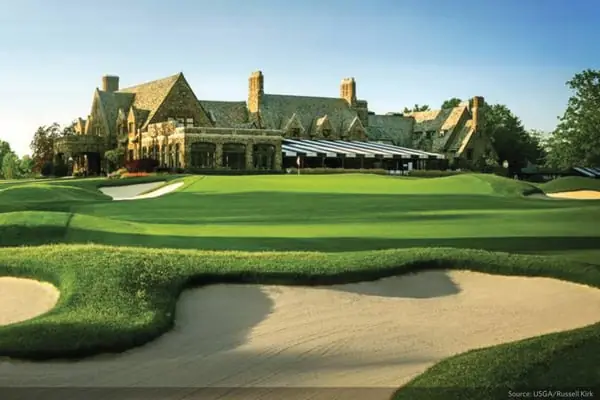
| Classic Parkland | Rolling inland hills and mature trees | Optic deception and green contouring | Oakmont Country Club | Tree encroachment and root management |
| Sand Belt Inland | Ancient sandy soils and pine forests | Width and strategic angles | Pinehurst No. 2 | Native wiregrass and turf health |
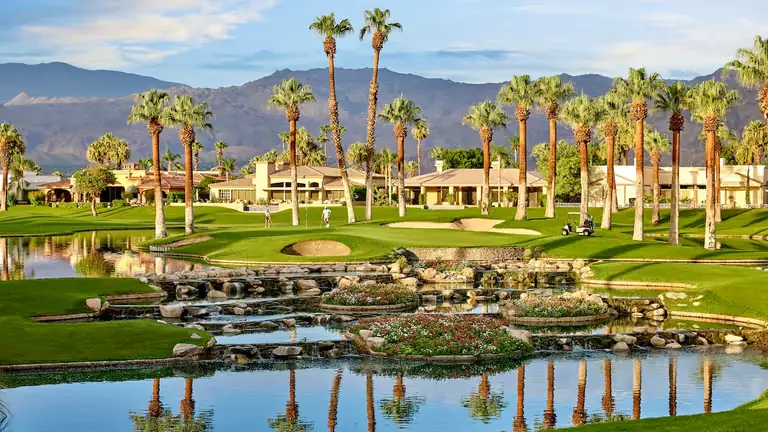
| Desert Target | Arid arroyos and mountain backdrops | Precision carry and desert hazards | TPC Scottsdale | Water allocation and heat stress |
| Mountain Alpine | Elevation changes and rocky outcroppings | Gravity adjustments and sloping lies | Martis Camp | Short growing seasons and winter damage |
| Stadium Modern | Man-made amphitheaters and water | Spectator sightlines and drama | TPC Sawgrass | Heavy foot traffic and turf recovery |
Realistic Decision Logic for Selection
Choosing which architectural styles to study or visit depends on personal tactical preferences and travel capabilities. If an analyst favors classic strategic variety, studying Golden Age parkland tracks provides deep insight into green complex design. Conversely, if studying modern minimalism, coastal dune environments offer superior lessons in natural routing. Aligning study parameters with historical epochs ensures thorough comprehension of design evolution.
Detailed Real-World Scenarios and Operational Stress Tests

Scenario A: The Championship Restoration Project
-
Constraints: A historic 1920s parkland course attempting to restore its original Donald Ross green contours while meeting modern tournament speeds.
-
Decision Points: Expanding greens back to original perimeters versus keeping reduced footprints to ease daily maintenance.
-
Failure Modes: Mower blades alter green edges, unintentionally shifting pin placements and changing historical approach angles.
-
Second-Order Effects: Faster green speeds combined with restored slopes render traditional pin positions unplayable for amateur members.
Scenario B: The Coastal Dune Maintenance Crisis
-
Constraints: A championship links venue facing severe coastal erosion and rising sea levels threatening seaside fairways.
-
Decision Points: Installing hard seawalls versus utilizing natural sand nourishment and native dune grass restoration.
-
Failure Modes: Hard engineering structures disrupt natural sand migration, destroying adjacent beach ecosystems.
-
Second-Order Effects: Altered coastal currents degrade famous seaside teeing grounds, forcing complete course rerouting.
Scenario C: The Desert Water Allocation Audit
-
Constraints: An elite desert resort course mandated by municipal authorities to reduce water consumption by forty percent.
-
Decision Points: Converting out-of-play turf areas to native desert granite versus narrowing fairways permanently.
-
Failure Modes: Aggressive turf removal increases ambient heat reflectivity, burning out remaining turf near cart paths.
-
Second-Order Effects: Playing conditions deteriorate during peak tourism windows, lowering customer satisfaction and course reputation.
Scenario D: The Modern Power-Game Mitigation
-
Constraints: A classic architectural masterpiece rendered obsolete by modern equipment distances in a professional major championship.
-
Decision Points: Acquiring adjacent land to push back tees versus accepting modern scoring records.
-
Failure Modes: Buying surrounding real estate proves prohibitively expensive, forcing reliance on temporary deep rough.
-
Second-Order Effects: Narrowed fairways eliminate strategic shot options, turning the course into a narrow test of raw distance rather than thoughtful strategy.
Planning, Cost, and Resource Dynamics
Maintaining elite course architecture requires balancing astronomical capital expenditures against volatile operational revenues. Direct costs include specialized agronomic labor, water rights, organic fertilizers, and heavy maintenance machinery. Indirect costs encompass environmental compliance studies, irrigation system replacements, and turf disease management programs.
Resource variability stems from regional climate shifts, energy cost spikes for pumping irrigation water, and labor shortages in skilled greenskeeping. Organizers and superintendents must maintain meticulous budgetary buffers to survive unexpected weather anomalies or pest infestations without sacrificing playing surface standards.
| Expense Category | Minimum Annual Budget | Maximum Annual Budget | Primary Cost Drivers |
| Agronomic Maintenance | $1,000,000 (Standard private) | $5,000,000+ (Elite championship) | Specialized labor and chemical inputs |
| Water & Irrigation | $200,000 (Abundant water region) | $2,000,000+ (Arid desert zones) | Municipal water rates and pumping energy |
| Capital Architecture Restorations | $500,000 (Minor bunker renovation) | $10,000,000+ (Full green/fairway rebuild) | Earthmoving, architects, and sod sourcing |
| Machinery Fleet | $300,000 (Basic lease pool) | $1,500,000+ (Custom robotic mowers) | Specialized cutting units and utility vehicles |
Tools, Operational Strategies, and Support Systems
Drone LiDAR Topographic Mapping
High-resolution aerial scanning maps exact green slopes, bunker depths, and fairway contours for precise architectural restoration.
-
Limits: High hardware costs and complex data processing requirements.
Soil Moisture Sensor Networks
Subsurface telemetry probes monitor root-zone hydration levels in real time across every individual green complex.
-
Limits: Sensors can fail due to rodent damage or electrical lightning strikes.
Turfgrass Spectral Imaging
Multispectral cameras mounted on drones detect turf stress and disease outbreaks days before visible symptoms appear.
-
Limits: Weather interference and cloud cover distort optical sensor accuracy.
Historical Aerial Archive Databases
Accessing decades of historical aerial photography reveals original bunker placements and routing modifications over time.
-
Limits: Older aerial imagery often lacks resolution to determine exact contour boundaries.
Professional Agronomic Consultants
Independent turf specialists provide objective audits of soil chemistry, thatch accumulation, and disease pressure.
-
Limits: Conflicting recommendations between consultants and in-house superintendents create operational friction.
Automated Irrigation Control Systems
Weather-linked computer valves adjust watering volumes dynamically based on hyper-local evaporation data.
-
Limits: Software integration glitches can cause localized flooding or dry patches.
Risk Landscape, Failure Modes, and Compounding Errors
The risk landscape of maintaining elite golf architecture is defined by environmental vulnerability and agronomic miscalculation. A minor misjudgment in chemical application timing triggers widespread turf disease, destroying delicate bentgrass greens weeks before a major tournament event.
Financial risk materializes when private clubs or resorts overextend capital reserves on costly architectural restorations without securing sufficient membership growth or resort booking revenue. Unfavorable economic cycles can force deferred maintenance, degrading course conditioning and architectural reputation.
Climate change introduces compounding physical risks. Extended droughts, unseasonal freezes, and severe storm surges threaten fragile coastal and desert ecosystems, requiring massive ongoing capital investments just to maintain basic playability.
Governance, Maintenance, and Long-Term Adaptation
Preserving architectural integrity across generations requires institutional governance and rigorous historical documentation. Clubs should maintain a master architectural plan overseen by a committee dedicated to protecting original design intent against arbitrary member whim or temporary fashion trends.
Review cycles should occur annually, evaluating turf health, tree canopy encroachment, and drainage efficiency. Removing invasive trees that block sunlight and air movement around greens is essential for long-term turf survival.
Establishing transparent communication protocols between green committees, superintendents, and visiting architects prevents unauthorized modifications that compromise historical design pedigree. Preserving architectural heritage requires balancing modern playability demands against historical reverence.
Measurement, Tracking, and Evaluation Metrics
Evaluating architectural and agronomic success relies on tracking both leading and lagging performance indicators.
Leading indicators include root depth measurements, infiltration rates, soil nutrient levels, and preventative disease application logs. If soil compaction increases, immediate aeration interventions are scheduled before turf decline occurs.
Lagging indicators encompass stimpmeter green speeds, player satisfaction surveys, surface firmness ratings, and championship scoring averages. Quantitative agronomic data combines with qualitative architectural critique to form a comprehensive evaluation profile.
Documentation Examples
-
The Architectural Master Blueprint: A detailed CAD drawing outlining every bunker shape, green contour, and tee box elevation approved for historical preservation.
-
The Agronomic Daily Log: A comprehensive digital record tracking mowing heights, chemical applications, water volumes, and weather conditions.
-
The Course Rating Audit File: An official assessment document recording yardage measurements, slope ratings, and obstacle evaluations for handicap calculations.
Common Misconceptions and Architectural Oversimplifications
-
Myth: Harder courses with high slope ratings are universally superior in architectural quality.
-
Correction: Artificial difficulty through brutal rough and narrow corridors does not equal thoughtful strategic design.
-
-
Myth: Donald Ross designed every classic American course featuring turtleback greens.
-
Correction: Many architects utilized similar plateau green concepts during the Golden Age without Ross’s direct involvement.
-
-
Myth: Modern golf ball technology has made classic courses completely obsolete.
-
Correction: Creative bunkering and strategic width still challenge modern players when historical angles are preserved.
-
-
Myth: Desert courses must maintain wall-to-wall green turf to be considered elite.
-
Correction: Sustainable desert designs utilize native sand and arroyos to highlight natural regional aesthetics.
-
-
Myth: Tree-lined fairways represent the traditional pinnacle of American parkland design.
-
Correction: Many historic courses originally featured open parklands before aggressive mid-century tree planting altered their strategic character.
-
-
Myth: Walking-only policies are purely elitist traditions with no architectural purpose.
-
Correction: Walking preserves turf integrity and maintains the original ground-contour routing intended by the architect.
-
-
Myth: Greenskeeping is purely a science with zero creative artistic interpretation.
-
Correction: Mowing patterns, bunker edging, and firmness management require deep artistic judgment from veteran superintendents.
-
Contextual Considerations and Environmental Stewardship
Balancing elite golf architecture with modern environmental stewardship requires careful resource management and habitat preservation. Golf courses occupy vast acreage, making them critical nodes for urban green space, wildlife corridors, and stormwater management. Sustainable operations minimize chemical runoff, protect local watersheds, and preserve native flora and fauna.
Architects and superintendents must navigate complex regulatory environments regarding water rights, pesticide usage, and wetland protection. Modern design increasingly integrates native buffer zones and recycled water systems to reduce ecological footprints without compromising playing quality.
Community engagement also plays a vital role. Elite courses situated near residential areas must manage noise, traffic, and light pollution while fostering positive civic relationships through charitable events and junior golf programs.
Conclusion
Evaluating elite American golf architecture demands deep appreciation of historical context, strategic design principles, and rigorous agronomic management. By analyzing courses through structural frameworks rather than superficial aesthetics, enthusiasts recognize the profound artistry required to shape competitive play. Whether studying historic Golden Age masterpieces or rugged modern dune layouts, preserving architectural integrity ensures these enduring landscapes continue to challenge and inspire future generations.