Luxury Golf Resorts USA: Premier Destinations & Hospitality Guide
Experiencing elite hospitality combined with championship course architecture requires navigating a sophisticated sector of the travel industry. When world-class course design merges with five-star accommodations, fine dining, and curated spa amenities, travel arrangements transcend standard vacation planning. Evaluating premier destinations demands a rigorous examination of service standards, agronomic quality, and architectural pedigree.
The American landscape hosts diverse environments capable of supporting premier hospitality operations. Coastal bluffs, sweeping desert valleys, and rugged mountain ranges each house distinguished properties catering to discerning travelers. Examining these destinations reveals the operational complexity required to maintain immaculate playing surfaces alongside ultra-luxury lodging standards.
This guide explores the foundational economics, structural variations, and operational frameworks defining top-tier leisure destinations. By analyzing financial models, risk management, and service logistics, stakeholders gain deep insight into high-end hospitality administration. Mastery of these operational principles ensures thorough comprehension of elite travel assets.
Understanding “luxury golf resorts usa”
To understand “luxury golf resorts usa,” one must analyze the convergence of high-end hotel administration and championship golf management. Many observers approach elite properties through an oversimplified lens, treating them as basic hotels attached to large green spaces. This naive perspective ignores the intricate financial cross-subsidization, specialized labor markets, and rigorous agronomic scheduling required to sustain world-class standards.
A common misunderstanding involves assuming that high nightly rates guarantee flawless playing conditions and impeccable service. While premium pricing funds extensive maintenance, unseasonal weather events, corporate buyouts, and large tournament staging schedules can severely disrupt guest access and course conditioning. True appreciation of premier properties requires looking past marketing imagery to examine operational realities.
Oversimplification risks also manifest in ignoring geographic and climatic constraints. Maintaining pristine bentgrass putting surfaces in arid deserts or humid southern lowlands demands massive energy consumption and intensive chemical intervention. Evaluating top-tier properties requires balancing aesthetic luxury against environmental sustainability and long-term ecological impact.
Deep Contextual Background
The evolution of premier leisure destinations mirrors the rise of commercial aviation, private club networks, and modern resort real estate development. Historically, affluent travelers visited traditional private clubs or seasonal grand hotels operating independently of one another. These early establishments relied on European service models and straightforward seasonal calendars.
The post-war economic expansion catalyzed the development of integrated resort communities where golf courses served as primary real estate anchors. Properties in regions like the Monterey Peninsula, the Carolina sandhills, and southwestern deserts redefined hospitality standards by offering comprehensive packages combining lodging, dining, and championship play.
Today, corporate conglomerates and private equity funds own many premier properties, introducing corporate efficiency alongside hospitality automation. Despite these modern management shifts, the core expectation of personalized service and architectural excellence remains unchanged. Contemporary operators must balance modern digital conveniences with traditional white-glove service expectations.
Conceptual Frameworks and Mental Models
The Integrated Service Ecosystem Model
This framework evaluates properties based on how seamlessly lodging, dining, caddie services, and course operations communicate to prevent guest friction.
-
Limits: Siloed departmental management can disrupt cross-functional communication during peak occupancy windows.
The Yield-Management vs. Exclusivity Matrix
This mental model analyzes the tension between maximizing room and tee-time occupancy versus preserving an uncrowded, exclusive atmosphere.
-
Limits: Over-indexing on exclusivity can compromise financial sustainability during economic downturns.
The Experiential Return on Investment
This model measures guest satisfaction not just by monetary cost, but by the emotional and psychological rejuvenation derived from the stay.
-
Limits: Subjective guest perceptions vary wildly based on personal expectations and prior travel experiences.
The Asset Lifecycle Framework
This approach tracks the physical degradation and required capital reinvestment cycles for clubhouse facilities, hotel rooms, and turf irrigation systems.
-
Limits: Unexpected regulatory or climate shocks can shorten projected capital reinvestment timelines drastically.
Key Categories and Structural Variations of Elite Properties
| Resort Category | Primary Geographic Setting | Core Amenity Focus | Typical Guest Demographics | Primary Operational Risk |
| Coastal Links Retreat | Oceanfront bluffs and dunes | Sea views and walking caddies | Affluent couples and dedicated golfers | Severe coastal erosion and wind damage |
| Mountain Alpine Lodge | High-elevation rocky terrain | Elevation views and cooler summers | Summer leisure travelers and families | Short operating seasons and winter weather |
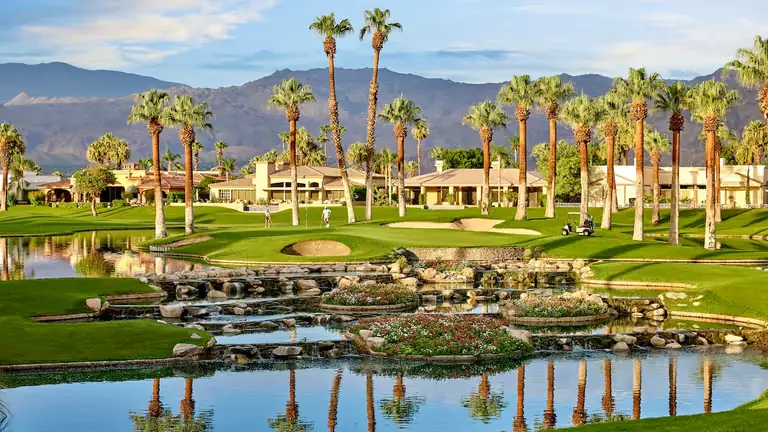
| Desert Oasis Resort | Arid desert valleys | Luxury spas and target golf | Corporate groups and winter escapees | High water consumption and cooling costs |
| Classic Parkland Estate | Mature inland forests | Heritage architecture and fine dining | Historical golf purists and tournament players | Tree canopy growth and turf disease |
| Private Island Enclave | Isolated coastal islands | Absolute privacy and seclusion | High-net-worth individuals and celebrities | Complex supply chain logistics and staffing |
| Southern Pine Belt Resort | Rolling sandy pine forests | Walking history and casual lodging | Multi-generational groups and buddy trips | Summer humidity stress on bentgrass greens |
Realistic Decision Logic for Selection
Choosing which destinations to visit or study depends on seasonal climate patterns and personal preference for terrain types. If travelers prefer walking firm turf alongside the ocean, coastal links properties provide superior experiences. Conversely, if seeking guaranteed warmth and extensive spa facilities during winter months, desert oases offer ideal conditions. Aligning travel windows with regional weather patterns ensures optimal trip execution.
Detailed Real-World Scenarios and Operational Stress Tests
Scenario A: The Major Championship Hosting Transition
-
Constraints: An elite coastal resort preparing to host a national televised professional golf championship.
-
Decision Points: Closing resort guest rooms entirely to accommodate media compounds versus keeping partial public access open.
-
Failure Modes: Public guests interact with tournament infrastructure, creating congestion and lowering service quality.
-
Second-Order Effects: High-paying resort guests experience restricted course access, generating long-term loyalty attrition.
Scenario B: The Desert Water Curtailment Crisis
-
Constraints: A desert property facing emergency municipal limits on agricultural and turf irrigation.
-
Decision Points: Converting ornamental turf to native desert scape during peak autumn booking season.
-
Failure Modes: Heavy construction noise and dust disrupt guest experiences across adjacent luxury villas.
-
Second-Order Effects: Negative guest reviews damage property reputation, leading to cancelled forward bookings.
Scenario C: The Mountain Resort Short-Season Compression
-
Constraints: An alpine resort with a strict four-month playing window attempting to maximize annual revenue.
-
Decision Points: Booking double-tee intervals to increase daily player volume versus maintaining comfortable pacing.
-
Failure Modes: Slower play times frustrate guests paying top-tier green fees, reducing repeat visit rates.
-
Second-Order Effects: Staff burnout from compressed operating schedules leads to high turnover in key hospitality roles.
Scenario D: The Island Supply Chain Disruption
-
Constraints: A remote island golf resort cut off from mainland deliveries due to severe tropical weather.
-
Decision Points: Rationing fine dining inventory versus flying in emergency supplies via private charter.
-
Failure Modes: Charter costs exceed allocated operational budgets, eroding profit margins for the quarter.
-
Second-Order Effects: Menu substitutions disappoint high-expectations diners, straining customer relations.
Planning, Cost, and Resource Dynamics
Operating top-tier hospitality destinations requires balancing massive capital investments against volatile luxury consumer spending. Direct costs include specialized agronomic labor, culinary talent salaries, luxury room maintenance, and extensive insurance policies. Indirect costs encompass marketing expenditures, corporate brand licensing fees, and property tax assessments.
Resource variability stems from economic recessions, airline route changes, and fluctuating energy costs. Resort executives must maintain deep financial reserves to absorb occupancy drops during macroeconomic downturns without degrading physical plant standards.
| Expense Category | Minimum Operational Baseline | Maximum Operational Peak | Primary Cost Drivers |
| Resort Labor & Talent | $5,000,000 (Boutique property) | $25,000,000+ (Massive complex) | Culinary chefs, caddies, and concierge staff |
| Turf & Grounds Upkeep | $1,500,000 (Single course) | $6,000,000+ (Multi-course resort) | Water rights, chemicals, and mowing fleet |
| Facility Depreciation | $2,000,000 (Annual renovations) | $15,000,000+ (Full room and clubhouse rebuild) | Interior design updates and structural engineering |
| Marketing & Sales | $500,000 (Brand maintenance) | $3,000,000+ (Global luxury campaigns) | Digital advertising and agency retainers |
Tools, Operational Strategies, and Support Systems
Integrated Property Management Software (PMS)
Centralized digital platforms link room reservations, tee-time bookings, and spa appointments into a single guest profile.
-
Limits: System integration failures can corrupt guest preference data during peak check-in windows.
Guest Preference Tracking Databases
Advanced CRM tools record individual guest preferences regarding pillow types, favorite beverages, and caddie requests.
-
Limits: Relies entirely on staff diligence in inputting observations accurately.
Automated Agronomic Weather Stations
Hyper-local weather telemetry towers monitor wind speed, rainfall, and evaporation rates to optimize irrigation cycles.
-
Limits: Hardware sensor failures require manual calibration and oversight.
High-End Concierge Logistics Platforms
Specialized apps manage external transportation, private aviation arrivals, and off-property excursion bookings seamlessly.
-
Limits: Third-party vendor delays can compromise the reliability of promised arrangements.
Inventory Control and Culinary Forecasting
Predictive analytics tools match historical dining trends with current occupancy to minimize food waste and optimize ordering.
-
Limits: Sudden group cancellations can leave perishable high-end ingredients unutilized.
Employee Feedback and Training Portals
Digital learning management systems ensure consistent white-glove service training across all operational departments.
-
Limits: Online training cannot replace real-world soft skills and cultural hospitality intuition.
Risk Landscape, Failure Modes, and Compounding Vulnerabilities
The risk landscape of operating premier resort destinations is defined by reputational sensitivity and operational interdependency. A single service failure—such as cold food served in a fine dining room or a lost golf bag upon arrival—can permanently alienate a high-net-worth guest who expects perfection.
Financial risk materializes when resorts rely on heavy corporate group bookings that vanish during economic contractions. Without a balanced mix of individual leisure travelers and corporate clients, revenue volatility threatens ongoing maintenance operations.
Environmental and climate risks represent mounting physical threats. Rising sea levels, severe droughts, and unseasonal storms jeopardize coastal, desert, and mountain properties alike, demanding continuous capital adaptation.
Governance, Maintenance, and Long-Term Adaptation
Preserving elite asset value across generations requires disciplined corporate governance and long-term capital planning. Properties should maintain a dedicated asset management committee responsible for auditing physical infrastructure, guest satisfaction metrics, and financial reserves.
Review cycles should occur quarterly, evaluating departmental performance, maintenance backlogs, and market positioning. Addressing deferred maintenance promptly prevents minor structural issues from compounding into expensive capital emergencies.
Establishing clear operational standards protects brand reputation across staff turnover cycles. Documenting service protocols, agronomic guidelines, and culinary standards ensures consistent execution regardless of management changes.
Measurement, Tracking, and Evaluation Metrics
Evaluating resort success relies on tracking both leading and lagging operational indicators.
Leading indicators include advance booking pace, employee retention rates, preventative maintenance completion logs, and customer Net Promoter Scores. If booking velocity slows, marketing interventions are deployed immediately.
Lagging indicators encompass RevPAR (Revenue Per Available Room), golf round yields, food and beverage profit margins, and repeat guest ratios. Quantitative financial data combines with qualitative guest feedback to form a complete evaluation profile.
Documentation Examples
-
The Executive Operating Ledger: A comprehensive financial document detailing departmental revenue, labor costs, and gross operating profit.
-
The Guest Arrival Profile Sheet: A personalized dossier compiled for arriving VIP guests detailing preferences, room assignments, and scheduled activities.
-
The Agronomic Condition Audit: A weekly inspection report grading green speed, fairway density, bunker firmness, and overall aesthetic quality.
Common Misconceptions and Hospitality Oversimplifications
-
Myth: Luxury resorts operate with limitless profit margins due to high nightly rates.
-
Correction: Massive labor, maintenance, and capital depreciation expenses consume the majority of resort revenues.
-
-
Myth: Premium golf courses at resorts require zero chemical intervention if organic methods are applied.
-
Correction: Maintaining championship turf standards under heavy foot traffic requires precise agronomic science.
-
-
Myth: Elite guests care exclusively about golf and ignore all other resort amenities.
-
Correction: Spas, fine dining, and non-golf recreational options are critical selection factors for travel partners.
-
-
Myth: Automated booking apps have completely replaced human concierges at top-tier properties.
-
Correction: High-end travelers demand personalized human interaction for complex itinerary management.
-
-
Myth: Resort branding ensures consistent service quality across franchise locations globally.
-
Correction: Management competence and local ownership structures create massive service variations between properties.
-
-
Myth: Private island resorts are immune to mainland economic downturns.
-
Correction: High-net-worth discretionary spending contracts sharply during broader financial recessions.
-
-
Myth: Caddie programs operate independently without resort management oversight.
-
Correction: Resorts maintain rigorous training and vetting protocols to ensure caddie performance matches brand standards.
-
Contextual Considerations and Environmental Stewardship
Balancing ultra-luxury hospitality with rigorous environmental stewardship requires proactive resource management and community engagement. Premier destinations occupy vast acreage, making them stewards of local watersheds, wildlife habitats, and regional ecosystems. Sustainable operations prioritize energy efficiency, water recycling, and waste reduction.
Resorts must navigate complex local zoning laws, water rights adjudications, and environmental impact regulations. Modern operators increasingly invest in renewable energy microgrids and native habitat restoration to minimize ecological footprints.
Community relations also play a vital role in long-term viability. Properties situated near rural or suburban towns must foster positive civic engagement through local employment, charitable contributions, and infrastructure support.
Conclusion
Operating elite golf destinations demands a sophisticated synthesis of hospitality administration, agronomic science, and financial discipline. By examining these properties through structured operational frameworks, observers recognize the immense complexity required to deliver seamless luxury experiences. Whether studying coastal links retreats or secluded mountain alpine lodges, preserving operational excellence ensures these premier destinations continue to set the benchmark for global travel.